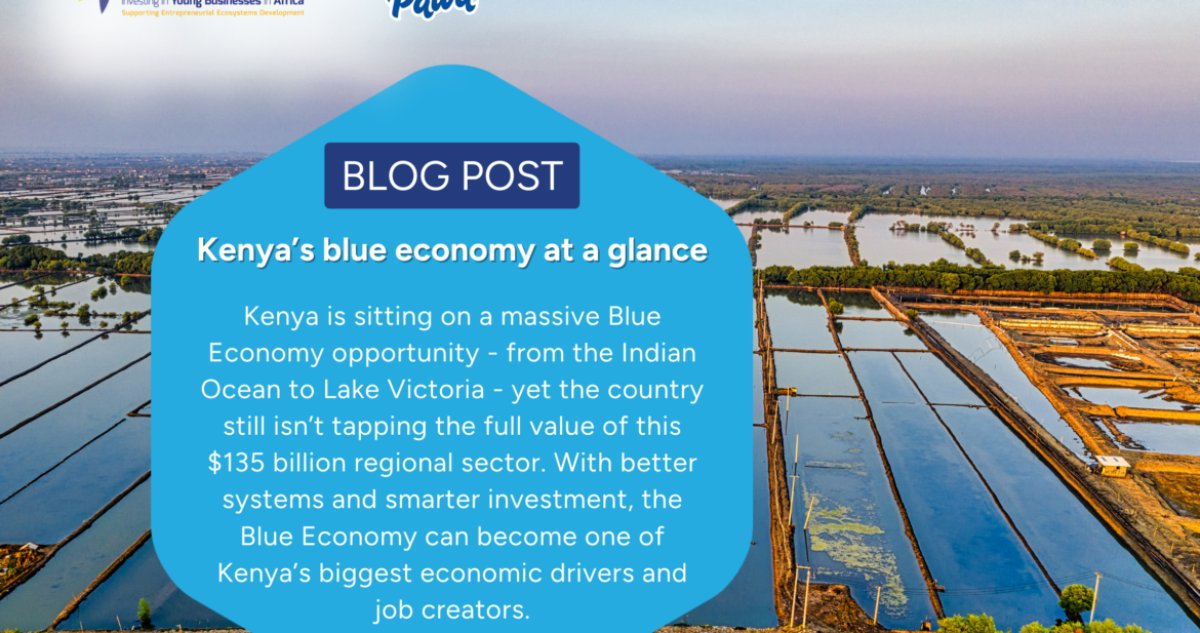
The Blue Economy is the sustainable integration of ocean and freshwater assets into the national economic framework, delivering job creation, climate resilience, and long-term capital formation.
Globally, this sector is valued at over $1.5 trillion annually, and for East Africa, the collective opportunity is conservatively estimated to contribute $135 billion toward regional GDP annually Source: African Union Blue Economy Strategy. Kenya, with its dual coastlines of the Indian Ocean and Lake Victoria and critical Rift Valley lakes water assets, possesses the geographic and demographic structure to become the regional anchor for the African Blue Economy.
Our greatest threat, however, is not environmental, it is the opportunity cost of inaction. By failing to upgrade systems and structures of our regulatory, financial, and logistical systems, we are letting billions of dollars in potential revenue and hundreds of thousands of jobs leak away every year. Indeed, the current contribution of the Blue Economy to our national GDP is profoundly low relative to our resource base, meaning we are missing out on the chance to fully finance our development agenda.
Diagnosing The Structural Failure
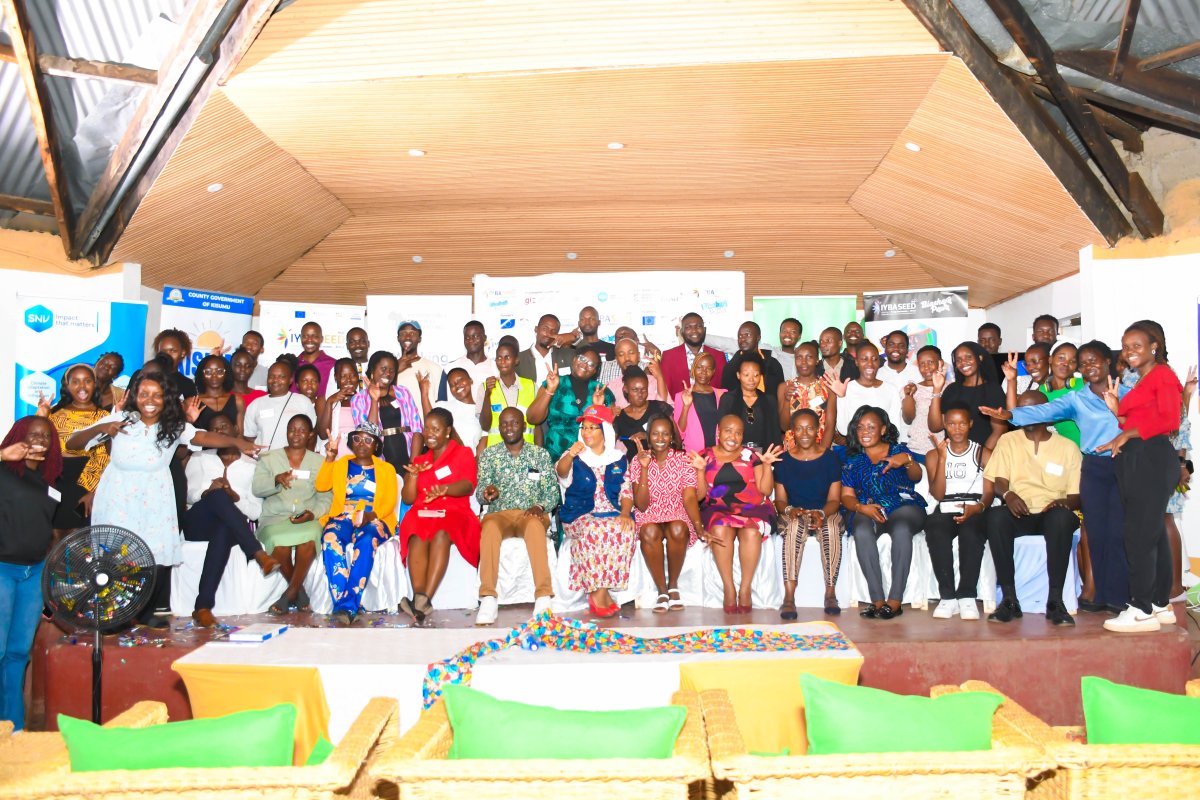
The recent BiasharaPawa dialogue in Kisumu served as a critical lens into the systemic barriers facing Kenyan entrepreneurs in the water sector. The conversations confirmed that the challenge is not a lack of resilience or market demand, but a fundamental failure to formalize structure.
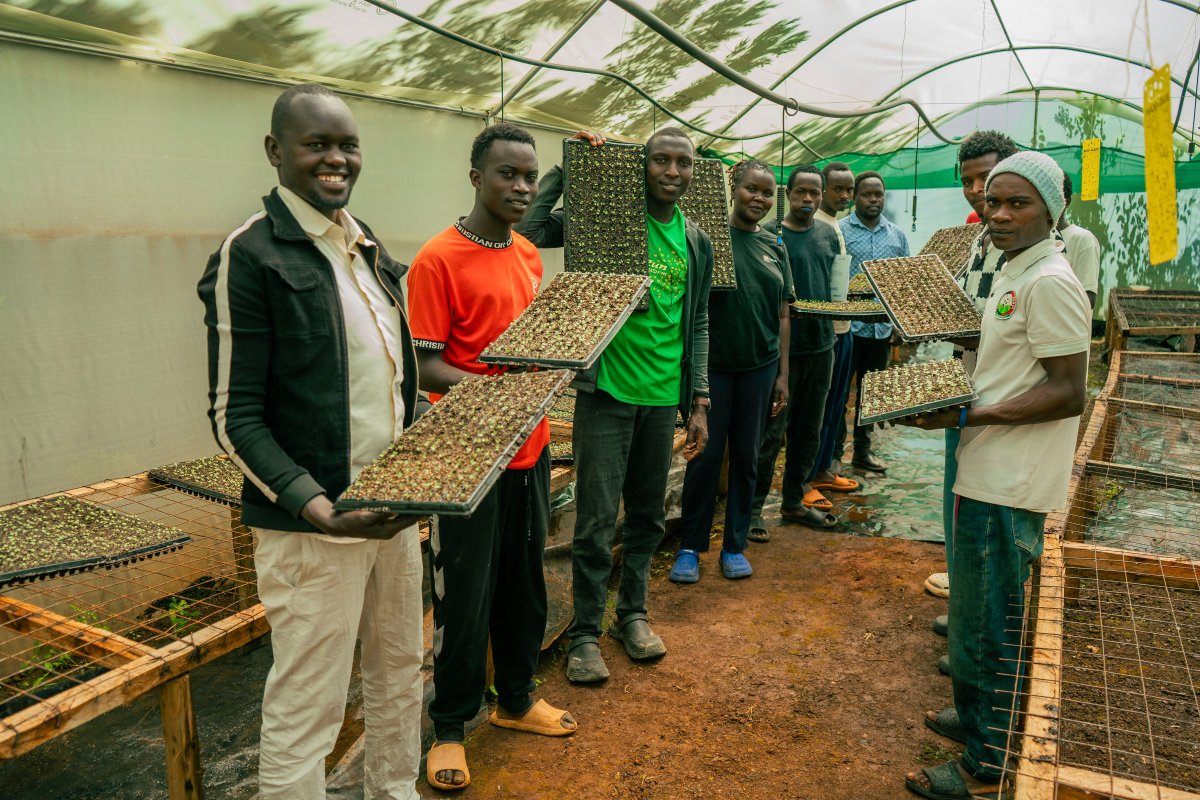
The greatest drag on profitability, particularly in aquaculture, is the lack of standardized, high-quality inputs. The industry is projected to reach over $500 million in growth potential by 2027 Source: KNBS Aquaculture Sectoral Report, yet entrepreneurs are paralyzed by substandard or unavailable feeds. This forces them to use cheaper, less efficient alternatives, directly impacting fish growth rates, commercial value, and the confidence of large buyers. This is not a farming problem; it is an upstream supply chain failure.
A second major problem is the structure of the industry market. From the coast to the Great Lakes, the market for fish and aquatic products remains dangerously fragmented. This informality results in extreme price volatility and unacceptable post-harvest losses, often exceeding 30%. Without structured cooperatives, sufficient cold chain logistics, and formal grading, local businesses are trapped by middlemen and excluded from high-value institutional and export markets that demand quality consistency and volume.
Further, the industry needs to push demand for fish locally not focus on exports only. With 50 million plus Kenyans, we are a huge internal market and stakeholders need to champion a narrative to make fish one of our primary sources of protein. Affordable and diverse, we can have fish for different palates and budgets, and build internal capacity to raise, transport, store and sell fish nationally; capacity that will allow us to position and amplify our export capabilities.
Like many local subsistence and emerging industries, the Blue Economy also faces the finance perception gap. Today, local financial institutions universally view the sector as a high-risk niche area, leading to a persistent lack of tailored finance. Standard collateral requirements (land titles, buildings) are often irrelevant to water-based assets (cages, specialized vessels, processing equipment). Consequently, promising ventures are forced to rely on localized, small-scale chamas because formal lending mechanisms cannot quantify the risk, effectively stunting growth at the micro-level.
In this regard, financial institutions need to rethink their role in the economy- many see themselves as lenders; a myopic view in my opinion as they should see themselves as business enablers and help the industry identify and exploit opportunities to its fullest potential. By confining themselves to lending roles, financial institutions are locking themselves out of billions in potential profits, an opportunity cost that most of them cannot afford or sustain.
On the flip side, the industry also needs to package and position itself; it needs champions and storytellers to speak of its achievements and untapped potential and use these narratives to transform the fortunes of the industry. While the financial institutions are risk averse, the industry needs to play its part to sanitize, reposition and woo partners into its ecosystem with demonstrated win-win opportunities for all who invest.
Tapping Into A National Opportunity
To actualize the Blue Economy fullest potential, we need a strategic approach to better understand the opportunities and how to tap into them, and this demands we first do a proper inventory of what we ought to be doing. The strategy must move from fragmented projects to a holistic and coherent national asset strategy, embracing fisheries, clean energy, tourism, sports, industry and logistics among others.
The Indian Ocean coastline for example is one of the Kenya’s high-capital, high-yield pillar of the economy, having consolidated shipping, tourism, trade, services, and industrial utilization. This kind of investment however is not seen on inland waters that operate on subsistence or pre-colonial structures and ideologies that have not been challenged or adapted to the current day’s realities. Thus to move forward, we must open up our minds to new realities and the possibilities they bring to the table.
Despite praising the achievements along the Kenyan coast, we must transition from artisanal coastal exploitation to professional deep-sea harvesting. While Kenya’s EEZ is capable of sustaining a $2 billion annual deep-sea fishing industry Source: KMFRI Data on EEZ Potential, much of this value is currently harvested by foreign fleets. Investment in modern, licensed domestic fleets and industrial blast-freezing and canning facilities is necessary to export high-value, processed tuna and snapper, creating thousands of specialized jobs. This same investment must be replicated inland as local demand for fresh water fish exceeds that of salt water fish.
At the Kenyan coast, the greatest immediate revenue generator is in maritime services. Developing world-class dry-dock and ship repair facilities in our major ports will allow Kenya to capture maintenance and bunkering revenue from vessels transiting the Suez Canal route. This investment generates high-skill, long-term employment in engineering, welding, and logistics. Further improving the efficiency of our ports like Singapore will allow us to serve more regional markets and maintain our regional gateway status for greater Eastern Africa.
The success of coastal tourism sector must serve as a point of inspiration for inland waters. While Lake Naivasha has successfully replicated this model there is need to diversify beyond. The future lies in water sports, fishing charters, cruise ship hospitality, marine conservation eco-tours, and developing marina facilities for recreational yachting, broadening the appeal of our coastline and inland waters.
Strategic Essentials: Unlocking the Future
To move this national vision forward, the focus must shift from small-scale thinking and funding to high-level policy, disruption and technology adoption. Key among the things we must focus on are one Reframing Blue Finance. We must cease viewing Blue Economy projects myopically and explore what they actually deliver in the bigger picture. Things like sustainable aquaculture, mangrove restoration, and clean energy adoption like BSF and biogas are fundamentally Climate Adaptation and Mitigation activities.
Thus the government and other stakeholders must champion a policy that reclassifies these projects as “blue/climate finance” assets. This single move will unlock concessional capital – low-interest loans from multilateral institutions and attracts private sector investment seeking ESG (Environmental, Social, and Governance) returns, mirroring the success of mechanisms like the Norway Blue Finance Initiative Source: UN-Oceans Blue Finance Mechanisms Study.
Further, the industry needs structures and standards as it is impossible to grow and scale without them. In this regard we need deliberate and quality and enforceable mandates to define our industry standards; standards that will also guide our year on year trajectory as we move towards maximizing the Blue Economy potential. These standards will guarantee quality consistency, stabilizes market pricing, and ensures our products can compete in EU and North American export markets.
Thirdly, the industry can only be good as the expertise employed in it and thus we must invest in skills and ecosystem development. The most crucial long-term investment is in human capital. By championing conversations like BiasharaPawa and developing Blue Incubation Hubs we have the potential to exponentially grow the Blue Economy to its fullest capacity. In this regard we need a national business incubation policy to formally support ESOs in establishing specialized Blue Economy Innovation Hubs across Mombasa, Kisumu, and inland urban centers. These hubs must train the next generation in maritime engineering, aquaculture science, digital logistics, and specialized BE marketing among other skillsets.
The end goal of this is tapping into the Blue Economy multiplier effect, growth opportunities that will allow and shift the youth and women demographic in the industry from being low-paid manual laborers to skilled entrepreneurs and professionals in high-growth areas.
Kenya’s destiny as a thriving middle-income economy is intrinsically tied to the success of its Blue Economy. The policy framework, the technology, and the entrepreneurial spirit are aligning. The moment demands that stakeholders now align the capital, the standards, and the political will to seize this generational opportunity, not tomorrow, but today.
Through conversations like the BiasharaPawa dialogues and in working with its partners and other stakeholders, we can turnaround the Blue Economy into a major contributor of our GDP. Further, by raising its profile and importance, it will open up conversations about conservation and sustainability within the industry- raising the bar on overall management of our water towers and coastal areas. This represents a holistic win for all- creating jobs, improving quality of life, improved environmental care and better economic returns.