Around Kiplombe, just like everywhere else in Kenya, most young folks were really struggling to find their footing. Jobs? Forget about it. The funny thing is, a lot of these young people actually had land back home. Some had even tried farming before, but the cost of fertilizer and feed just killed it for them. They either gave up quickly or never really took it seriously.
Around Kiplombe, just like everywhere else in Kenya, most young folks were really struggling to find their footing. Jobs? Forget about it. The funny thing is, a lot of these young people actually had land back home. Some had even tried farming before, but the cost of fertilizer and feed just killed it for them. They either gave up quickly or never really took it seriously. For many, farming was seen as something for the older generation, not a real business a young person could actually make a living from.
That's where NikoBiz stepped in. They brought agribusiness training and mentorship right to the young people of Kiplombe. And instead of sticking them in a classroom, they did the training on a real farm, led by a farmer who'd been there and done that himself.
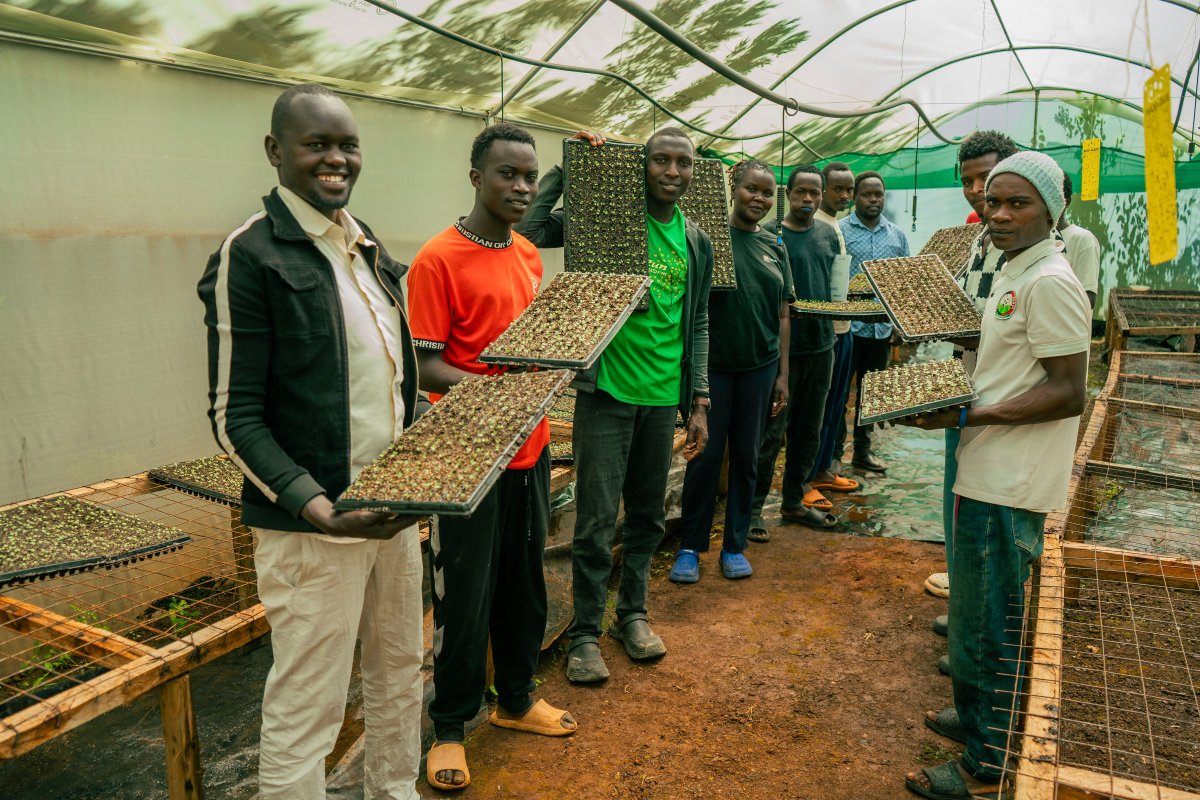
For three weeks, over 35 young people from Kiplombe got hands-on training and mentorship in agribusiness from Samson Rop. Samson's a well-known agropreneur, the guy behind Vermiseed Ventures, which is all about sustainable farming, turning waste into organic stuff, and bio-fertilizers.
The training happened right on his demo farm, and that made all the difference. These young people weren't just hearing about things; they were seeing them with their own eyes. They watched earthworms and black soldier fly larvae turn waste into organic fertilizer. They saw Azolla, this tiny water plant that's a super cheap, high-protein feed for livestock, growing right there. Everything they were taught, they could see it working. It made the whole thing real and easy to connect with. If it could work on Samson's farm, it could definitely work on their own shamba.
During those three weeks, they picked up skills like making organic fertilizer, growing Azolla, cutting down farming costs, and most importantly, how to run farming like a proper business, not just a chore.
But honestly, the biggest change wasn't even the skills. It was how they started looking at their own land. Before the training, many felt like they had nothing to start with. After, they realized they already had the most important thing: land. The waste to make fertilizer? That was right there at home. What they were missing was the know-how, and now they had it.
To help them get going right away, Samson gave each of the 35 trainees cabbage seedlings at the end of the program. It wasn't just a gift. It was a nudge to put what they learned into practice immediately, with Samson still guiding them as they planted and tended their crops.
On top of that, these young farmers are now growing herbs and raising poultry as side gigs. So, instead of putting all their eggs in one basket, they've got a few small income streams supporting each other. Those cabbage seedlings gave them their first full taste of farming as a business, from planting to caring for the crop, all the way to selling.
The best part? All these ventures are running on resources the youths already had. No expensive inputs, no huge capital. Just their land, their new knowledge, and good old hard work.
And the impact hasn't stopped with just those 35. Kiplombe now has a group of young farmers who are showing their neighbors that farming can actually pay off, and you don't need pricey chemicals to do it. Land that was just sitting there is now being used. Young people who had nothing to do now have businesses to run. And that knowledge from the demo farm? It's spreading, because neighbors see the results and start asking questions.