
Summary
Bringing together women and youth entrepreneurs, county government, financial institutions, entrepreneurship ecosystem organisations, academia, and private sector actors, the Biashara Pawa dialogue event surfaced clear barriers such as: finance access, infrastructure, skills gaps, and market linkages; and identified actionable next steps. The event’s insights reinforced that county-level collaboration can accelerate inclusive enterprise growth when backed by coordinated implementation, local conveners, and sustained investment. These challenges mirror national trends, where only 26.3% of women-led MSMEs access formal finance due to collateral and credit history issues
The Entrepreneurship Story That Unveiled
The first Biashara Pawa dialogue in Uasin Gishu sends a positive signal that inclusive entrepreneurship support is urgently needed, collaboration is possible, and county-level action can unlock real economic opportunity.
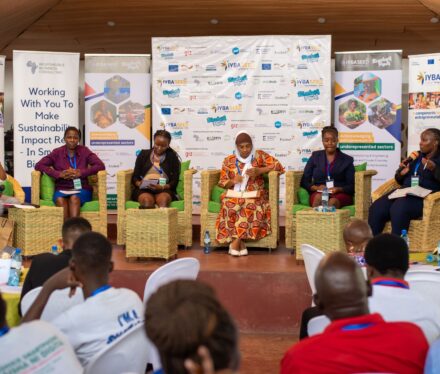
Held under the IYBA-SEED initiative and implemented through SNV, Responsible Business Consulting (RBC), and EldoHub, the dialogue convened entrepreneurs, county and national agencies, financial institutions, academia, business associations, and enterprise support organisations. Its purpose was not only to convene, but to identify barriers, surface practical solutions, and strengthen the systems that shape enterprise growth for women and youth.
This is particularly relevant for Uasin Gishu, as the county is Kenya’s ‘breadbasket’ where agriculture contributes 80% of rural income via 90% arable land. At the same time, it also has growing businesses and economy in technology, manufacturing, green enterprise, services, and innovation-led sectors. The dialogue underscored the wider national challenge, also playing out in the county: women and youth remain underrepresented in higher-growth sectors because of structural constraints, not lack of ambition or potential.
The Barriers Are Known, And Still Remain Urgent
Across the discussions, participants identified familiar but persistent barriers that continue to hold back women- and youth-led enterprises:
- Limited access to finance, especially for entrepreneurs without collateral, formal records, or credit history
- Skills and capability gaps, including financial literacy, digital literacy, and regulatory understanding
- Weak infrastructure (roads, water, sewer systems, connectivity) that undermines productivity and growth
- Limited market access and weak business linkages
- Social and cultural norms that continue to shape sector participation, especially for women in technical sectors
- Information asymmetry, where support exists but entrepreneurs struggle to navigate institutions and programmes
A key insight from the event was that many support mechanisms already exist—through county government offices, national agencies, banks, SACCOs, cooperatives, and business networks. However, these mechanisms are often fragmented, difficult to access, or poorly coordinated from the entrepreneur’s point of view.
This is where ecosystem-building becomes essential, as seen continent-wide, where Sub-Saharan Africa’s 26% female entrepreneurial activity yields 34% lower profits for women. County dialogues like Biashara Pawa can help bridge the gap between institutions and entrepreneurs by creating shared understanding, practical partnerships, and clearer pathways to support.
Actionable Ecosystem Intelligence
What made the Uasin Gishu event valuable was not just participation levels, but the quality of inputs generated from the discussions.
Participants moved beyond broad conversation to contributing to sector-specific insights for agriculture and agribusiness, technology, manufacturing and engineering, financial services, green and circular economy, and WASH. The forum also captured action and recommendations for various actors in the entrepreneurship ecosystem.
This convening opened up the consideration that county-level ecosystem dialogues can really be mechanisms for gathering practical intelligence and shaping better investments, rather than simply an event.
For policymakers, the dialogue’s insights point to the pressing need for a concrete agenda focused on infrastructure, financing, skills alignment, and participatory policy design.
For local entrepreneurship ecosystem actors, it reinforced that sustained collaboration, rather than one-off convenings, can influence whether momentum turns into jobs, enterprise growth, and inclusion.
Key Highlights from the Uasin Gishu Biashara Pawa Dialogue
- High public-sector engagement potential: A strong majority of participants indicated they were likely to seek further entrepreneurship support information from the County Government of Uasin Gishu.
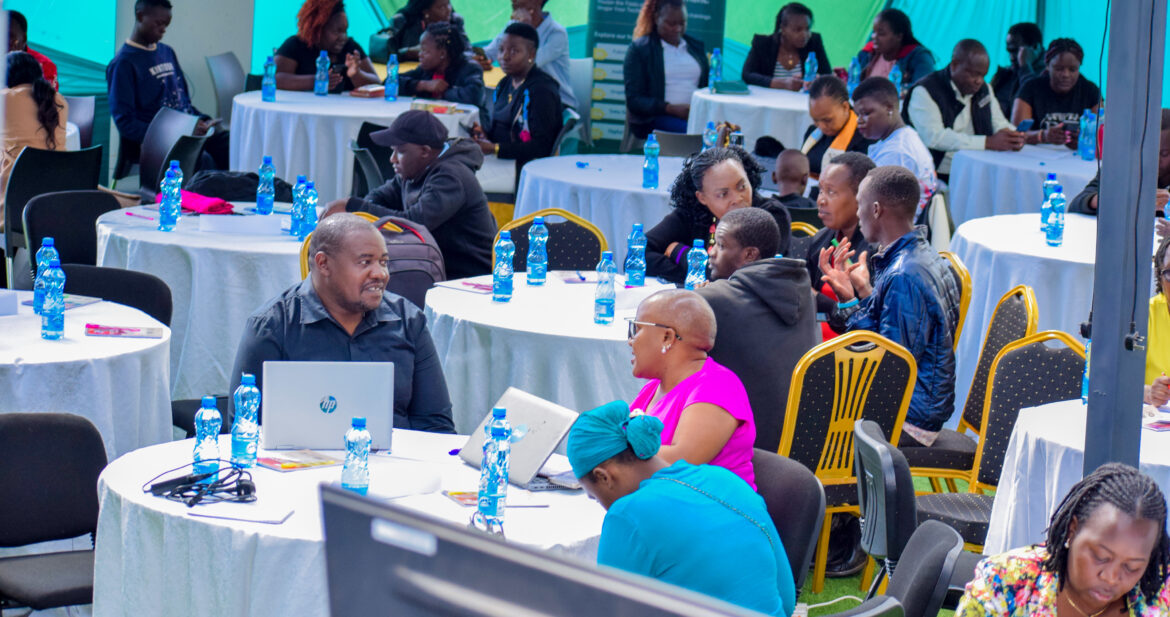
- Ecosystem convening worked: The event successfully brought together county government, national agencies, academia, private sector actors, ESOs, financial institutions, and business associations in one forum.
- Networking was a high-value outcome: Participants rated networking and peer connection as one of the most valuable aspects of the event.
- Participants strongly valued the learning environment: The dialogue was positively received as a platform that supports women and youth entrepreneurship, aligning with 93% of Kenyan women considering entrepreneurship.
- Sector-specific breakout discussions generated practical outputs: Solutions and recommendations reflected real sector needs rather than generic entrepreneurship advice.
- Agribusiness and technology were especially prominent: This aligned with county economic realities and the strengths of local ecosystem support structures.
- Mentorship demand is clear and actionable: Participants prioritised financial literacy and access to finance, scaling and networking, and business idea validation and market research.
- Inclusion gaps remain in some target sectors: Low representation from areas such as blue economy and infrastructure such limited resource opportunities e.g. in blue economy; but for infrastructure the low representation may highlight the need for more intentional outreach in future engagements, and/or a minimal presence of women and youth entrepreneurship in infrastructure sector in the county.
- Entrepreneurship is a county development issue: The dialogue connected enterprise growth to inclusive development, resilience, and long-term county competitiveness.
Proposed Next Steps For The Entrepreneurship Ecosystem Actors
The dialogue brought out useful actions and recommendations that call for a shared implementation agenda.
1) Build the Enabling Conditions for Enterprise Growth
- Strengthen TVET and industry alignment: through supportive regulation and structured collaboration on curriculum and skills development.
- Invest in enabling infrastructure (roads, water, sewerage, and digital connectivity) that directly affects enterprise productivity and market access.
- Expand enterprise finance mechanisms: for youth and women, including grants, revolving funds, and support for collective financing models such as chamas.
- Use incentives to support transition sectors, such as recycling, renewable energy, and digital transformation. For example, the World Bank’s Ujasiriamali’s demonstrates that micro and small entrepreneurship is a credible pathway for youth, with the right financial support.
- Institutionalise participatory policymaking: by holding regular forums with entrepreneurs and ecosystem stakeholders during policy design.
- Address social norms and stereotypes: through community forums, youth engagements, and public awareness initiatives.
2) Fund Systems, Not Only Startups
- Invest in ecosystem infrastructure, such as local hubs, coordination mechanisms, data systems, and policy dialogue platforms, moving beyond only direct enterprise grants.
- Support blended models that combine mentorship, market access, finance readiness, and business development support.
- Fund inclusion strategies for underrepresented sectors: where participation barriers require tailored outreach and ecosystem support.
- Back trusted local conveners, such as EldoHub and other local ecosystem organisations that can mobilise stakeholders and translate policy and programme opportunities into action.
- Finance evidence and learning loops: so county actors can continuously improve programme and policy design using local data.
3) Lower the Friction to Participation and Growth
- Develop accessible finance products: for women and youth entrepreneurs, including flexible terms and partnerships with SACCOs, chamas, and cooperatives.
- Co-design practical training pathways: with TVETs and ecosystem actors to build technical and entrepreneurial readiness.
- Expand mentorship and market linkages: to help enterprises move from survival to growth.
- Co-host trade fairs and sector showcases: with county government and ESOs to improve visibility and business opportunities.
- Support affordable digital transformation: through tools, shared services, and practical capacity building.
- Collaborate on research and innovation transfer: to improve productivity in agriculture, manufacturing, and green enterprise sectors.
4) Deepen the Ecosystem Enabler Role
- Scale entrepreneur capacity-building: in financial management, record-keeping, digital literacy, and technology adoption.
- Strengthen sector-specific incubation and peer learning: for high-potential sectors such as agribusiness, manufacturing, green enterprise, and financial services.
- Translate policy and regulatory information: into entrepreneur-friendly formats e.g., updates from KRA, NEMA, KIRDI and related agencies need to be presented to entrepreneurs and the public in language and formats that relevant to the audiences.
- Build local data and referral systems: that help entrepreneurs connect to finance, investors, markets, and support services.
- Sustain policy advocacy on inclusion and fair access: to finance and enterprise opportunities.
- Maintain regular dialogue and showcase platforms: to keep ecosystem relationships active between major convenings and consider having regular convenings bringing together ecosystem actors for concerted and collective impact in shared areas of opportunity.
County Ecosystems Are Where Inclusive Growth Becomes Real
The BiasharaPawa dialogue discussions brought to the fore the potential for ecosystem success when county government, local hubs, entrepreneurs, financial institutions, and development partners work from shared evidence and practical commitments.
The barriers identified were not new, and the opportunities were clear.
When entrepreneurship support up-levels to coordinated implementation, specifically around finance access, infrastructure, skills alignment, and inclusive policy making, a coordinated approach can serve as a county-level model for how to strengthen entrepreneurship ecosystems that deliver jobs, innovation, and inclusive development.
The insights from this dialogue signal that investing in county ecosystems today will unlock sustainable growth, create opportunities, and empower women and youth-led enterprises, and can position Uasin Gishu County’s vital role in Kenya’s development beyond agriculture.